AU calls for rapid tech adoption in farming to shield continent from food crises
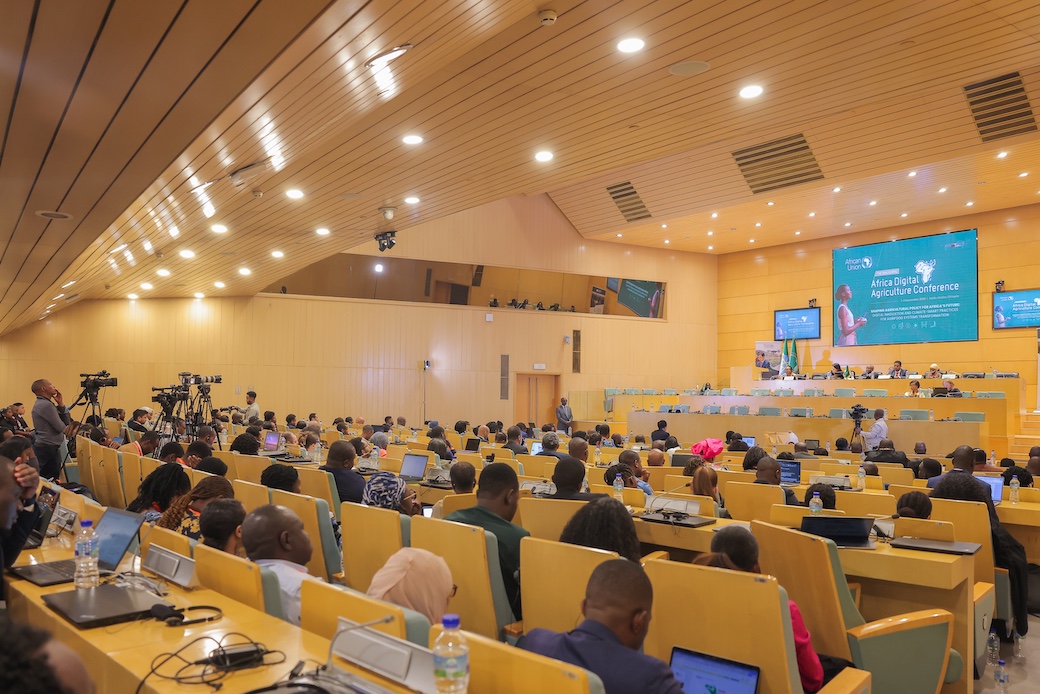
The conference brought together policymakers, agri-tech players, researchers and development partners to chart a policy path for digital agriculture, with discussions centred on creating an enabling environment for innovation.
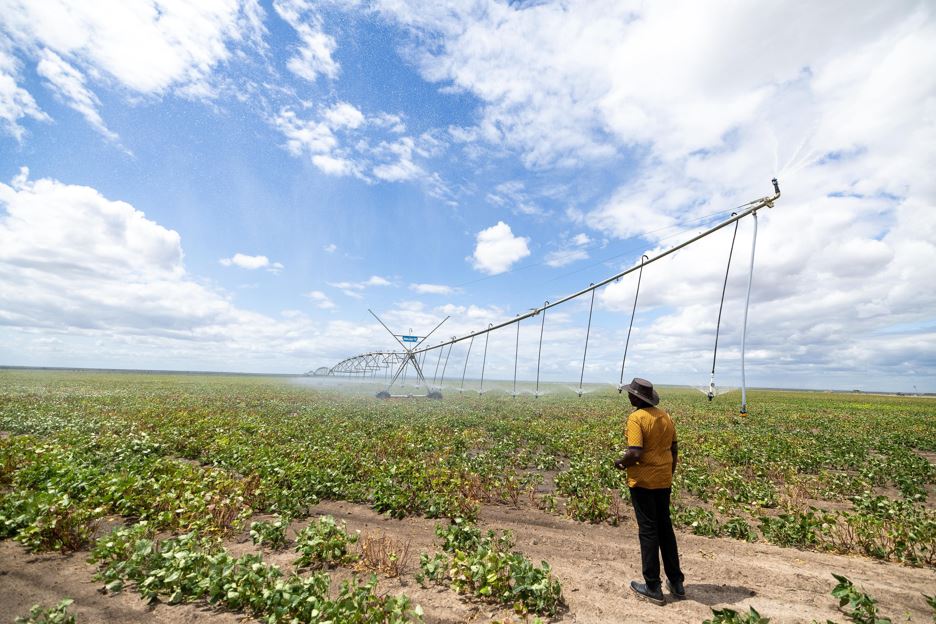
The African Union (AU) has sounded the alarm on the urgent need for digital transformation in agriculture, warning that Africa's food security and economic stability will be at risk if governments fail to adopt new technologies.
The message was delivered on Monday at the opening of the AU's first-ever Conference on Digital Agriculture, a three-day meeting taking place at the Union's headquarters in Addis Ababa.
More To Read
- Ruto unveils Sh400 billion mega dam plan to turn North and Coast regions into Kenya's new food basket
- Wave of coups in Africa: What President Paul Kagame thinks
- African Union suspends Guinea-Bissau over coup
- Guinea-Bissau: Who is toppling whom, how and why?
- CS Kagwe urges bold reforms in agriculture sector as Intergovernmental Agriculture Forum opens in Naivasha
- African Union, ECOWAS condemn Guinea-Bissau coup, demand release of detained leaders
The conference brought together policymakers, agri-tech players, researchers and development partners to chart a policy path for digital agriculture, with discussions centred on creating an enabling environment for innovation.
Addressing delegates, African Union Commission Deputy Chairperson Ambassador Selma Malika Haddadi said the continent could no longer rely on traditional farming practices in the face of climate shocks, rising demand for food and shrinking opportunities for young people in rural areas.
According to Haddadi, embracing digital tools, including climate-smart innovations and data-driven farming methods, is now central to Africa's long-term development.
"Agriculture is the lifeblood of our continent," Haddadi said, noting that the sector supports more than half of Africa's population and remains at the heart of most national economies.
She added that Africa must look to technology to boost productivity and future-proof its food systems.
"Africa's future in agriculture is digital. We commit to harnessing innovation, climate-smart practices & inclusive policies to transform food systems, empower youth & women, and build resilience."
On his part, AU Commissioner for Agricultural Development, Blue Economy and Sustainable Environment Moses Vilakati highlighted the scale of the challenge, pointing to climate pressures, degraded land, limited market access and a worrying trend of young people exiting the sector.
He urged governments to fully exploit the continent's agricultural potential through modern technologies.
"We cannot afford to let our fertile lands go unutilised," he said, arguing that Africa must tap opportunities presented by artificial intelligence, satellite imaging and precision farming to reduce losses and improve yields.
Ethiopian Agriculture State Minister Efa Muleta added that the shift toward innovation reflects the broader national agenda championed by Prime Minister Abiy Ahmed, noting that Ethiopia's agricultural strategy is centred on digital solutions and "the Medemer philosophy," which frames development as a shared responsibility.
"Africa's challenges can also be its greatest opportunities," he said, citing the continent's youthful population and growth in homegrown tech solutions.
Top Stories Today